

What Our Cable Checks Cover
Our cable checks focus on the parts that carry power and control between the supply, variable speed drive and motor. We look for damaged insulation, heat stress, crushed sections, poor routing, loose glands, wrong sizing and termination issues that can cause intermittent faults. In plants and workshops, these issues often hide behind normal operation until a machine starts tripping or a drive reports a fault.
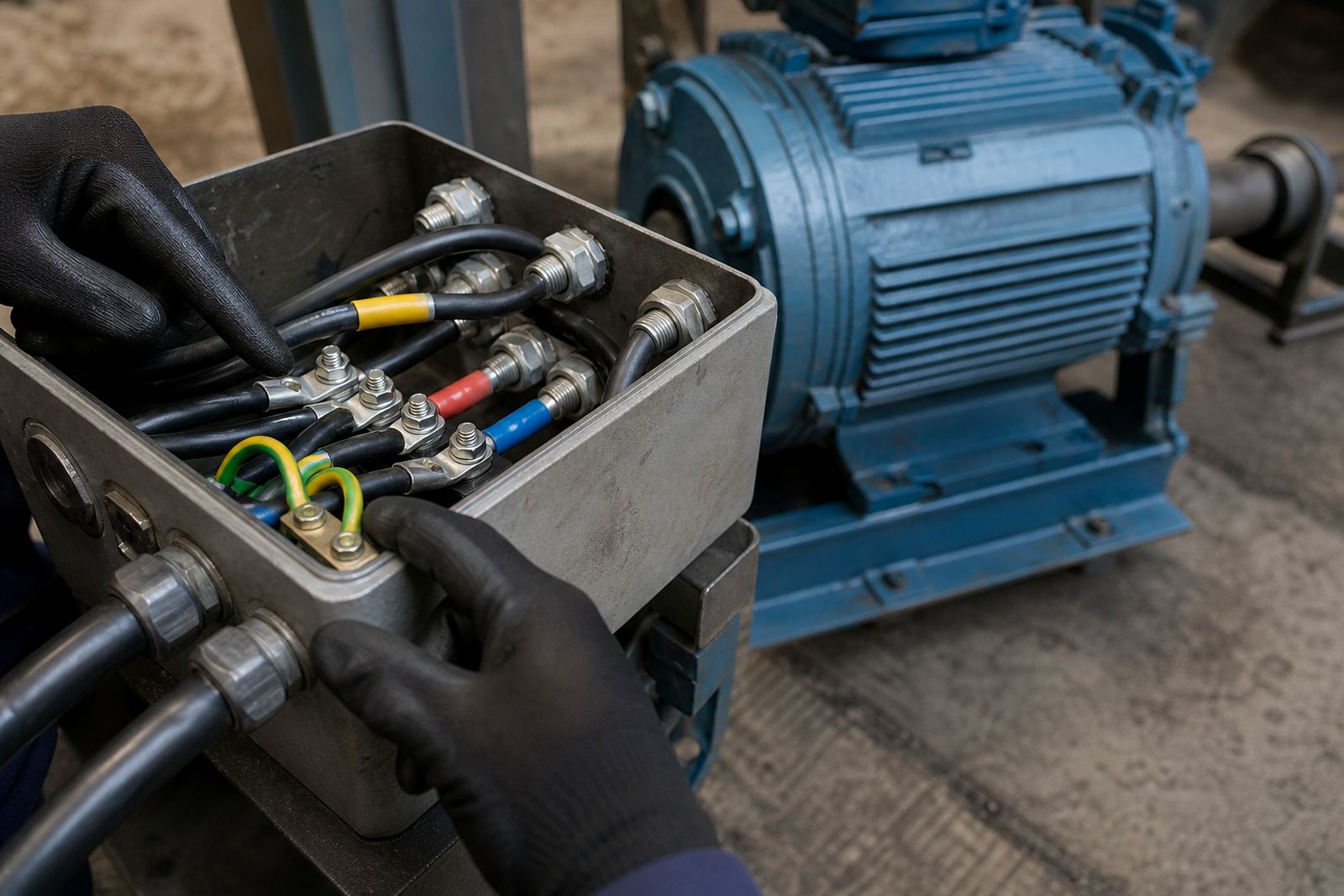
We work on motor feeder cables, drive output cables, control cables and earthing conductors. Where needed, we inspect cable trays, bends, glands, lugs, ferrules and terminations at the motor terminal box and at the drive panel. For sites in coastal Durban, we also watch for moisture tracking and corrosion, while in dusty industrial areas around Germiston and Ekurhuleni we often find contamination and vibration wear.
- Visual inspection of cable runs, terminations and enclosures
- Checks for chafing, heat damage, loose fittings and incorrect routing
- Inspection of glands, lugs, ferrules and earth continuity points
- Review of motor and drive cable sizing against the duty on site
How We Diagnose Cable Related Faults
Cable faults are not always obvious. A motor may run, then trip under load, or a drive may show overcurrent, earth fault or overheating symptoms. We work through the circuit step by step so the cause is not confused with a motor winding issue or a drive setting problem. That saves time and reduces repeat callouts.
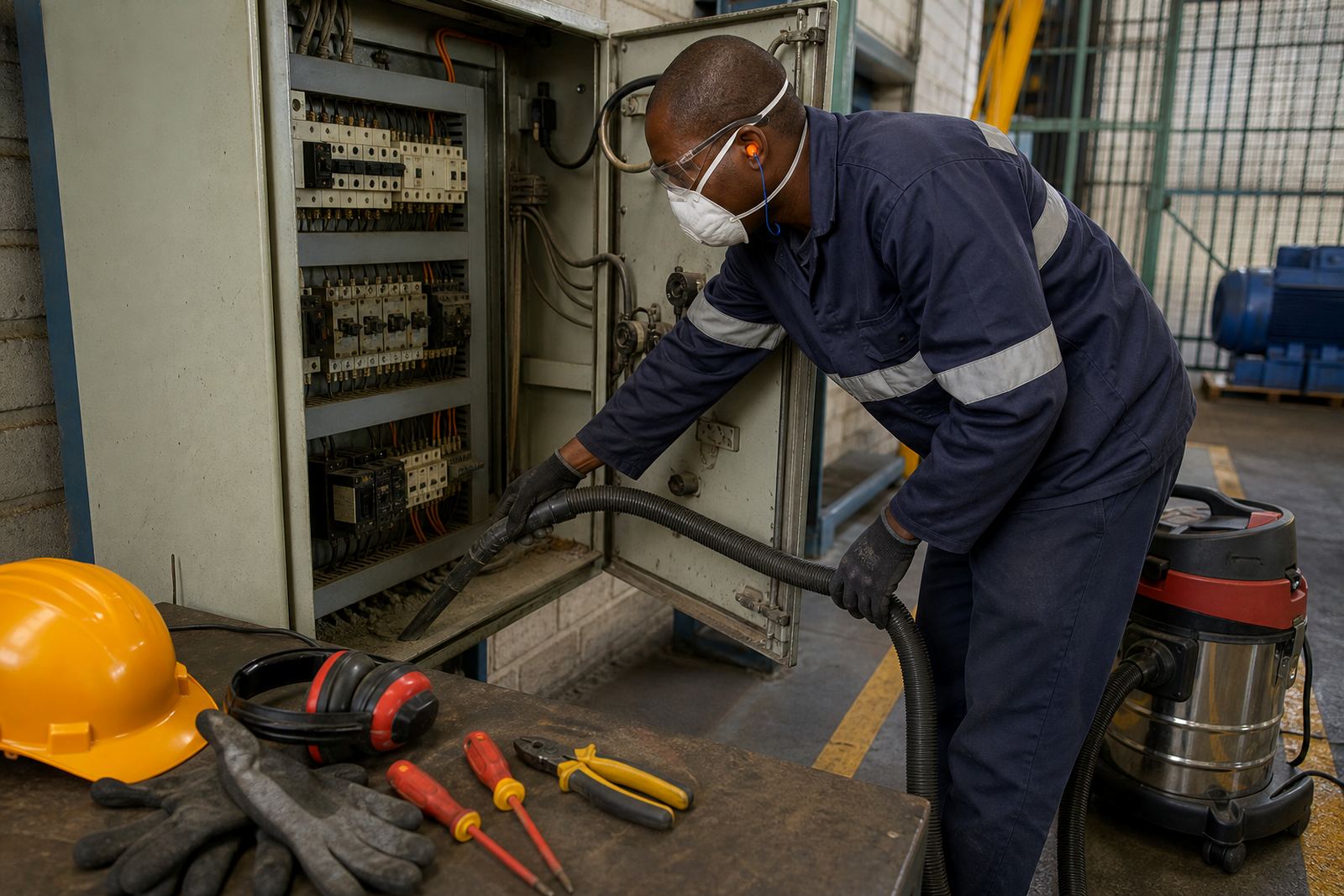
Our process combines site inspection with electrical tests carried out by qualified people under proper lockout procedures. Isolation is essential before any testing or repair work begins, and the equipment must be proved safe before touch points are opened. This matters on factory sites, workshops and municipal installations where live circuits can be present even when a machine looks stopped.
- Confirm the fault report and operating conditions
- Isolate the equipment and apply lockout procedures
- Inspect visible cable condition and terminations
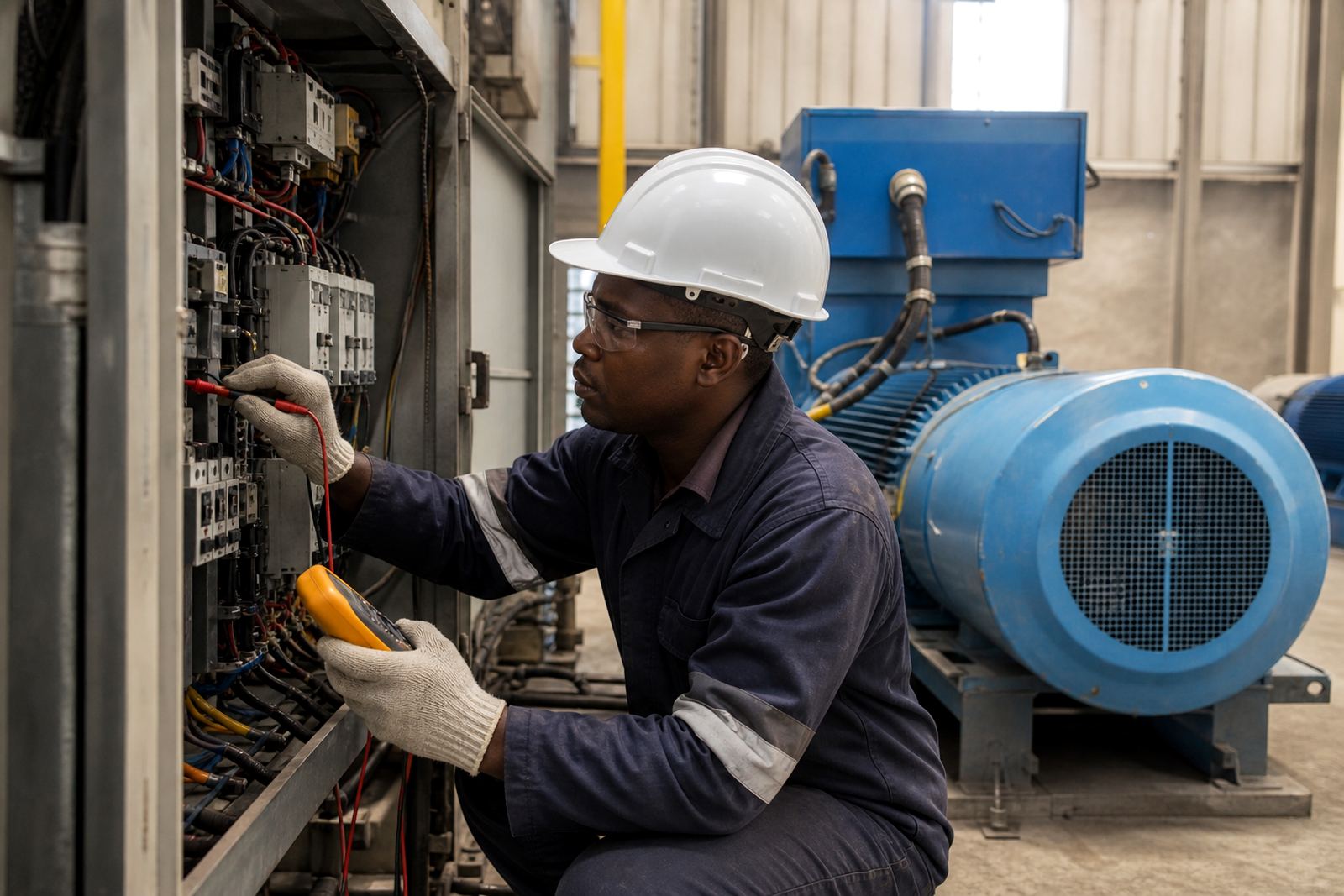
- Test for insulation breakdown and continuity issues
- Check whether the fault is in the cable, motor or drive
Tests We Commonly Carry Out On Site Or In The Workshop
Depending on the installation, we may use insulation resistance testing, continuity checks, earth checks and termination inspections to assess cable condition. Where a drive is involved, we also check the output side carefully because inverter duty circuits can be more sensitive to cable length, screening and termination quality. Bad connections can create heating, nuisance trips and electrical noise.
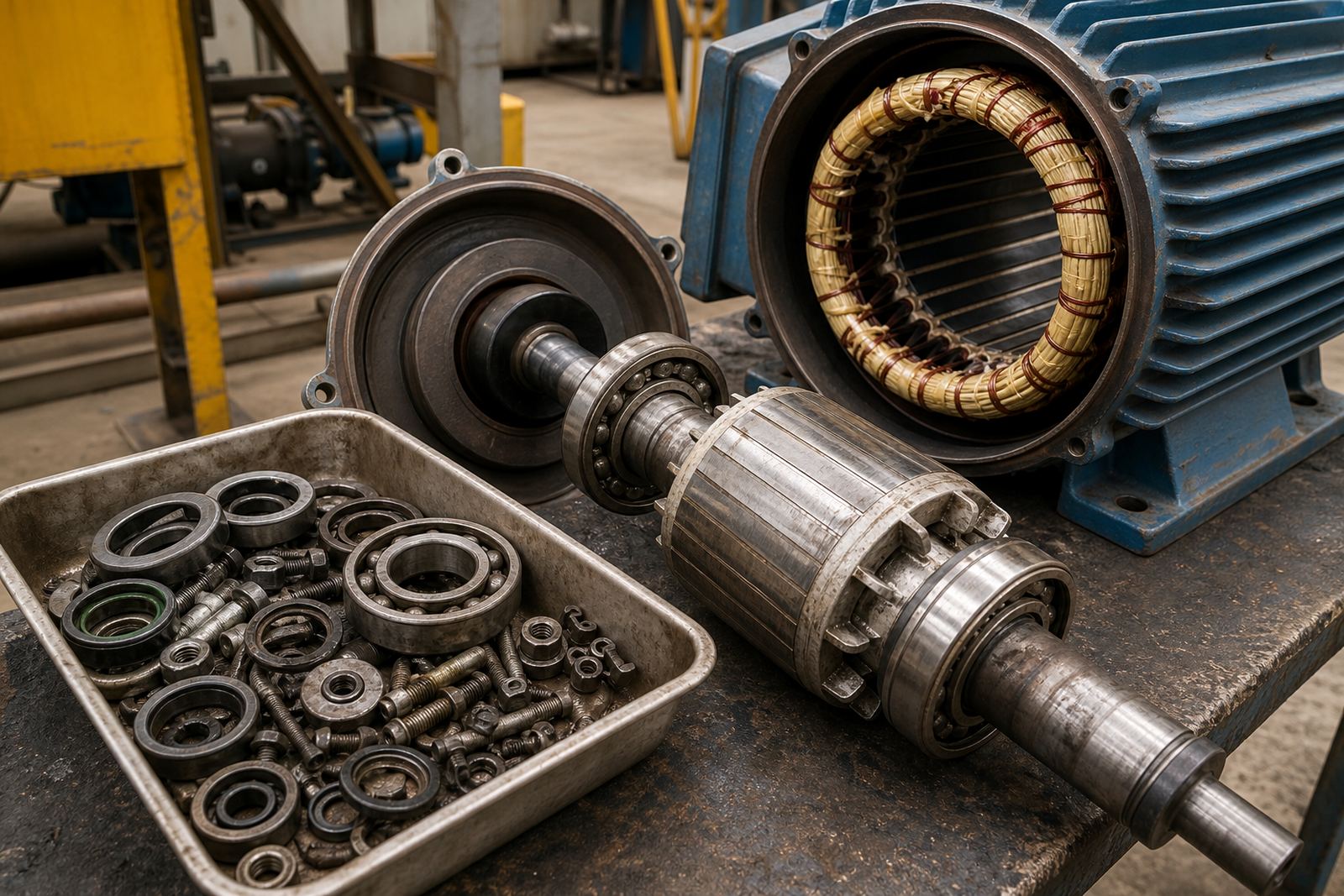
For motors in harsh environments, we often compare cable condition with the motor itself and the bearing state. Vibration can loosen terminations, and heat from bearing wear can damage insulation near the motor end. On older sites, we also come across undersized cable, poor colour identification and joints that were added during past breakdowns. Those issues are not always visible from the outside.
- Insulation resistance testing on suspect conductors
- Continuity checks for open circuits and broken cores
- Earth continuity and termination verification
- Screen and gland inspection on drive related cables
When Cable Checks Should Be Scheduled
Cable checks are worth scheduling when a site has repeat trips, unexplained motor failure, frequent maintenance on the same machine or visible wear near moving parts. They are also sensible after flood damage, fire exposure, major shutdown work or a panel relocation. If a cable has been bent too tightly, run near hot surfaces or exposed to chemical splash, it should be checked before the next production cycle.
For regular maintenance, many sites include cable checks during planned shutdowns, quarterly inspections or annual electrical audits, depending on duty and environment. High-vibration areas, wash-down areas and coastal facilities may need shorter intervals. If you are commissioning a repaired motor or returning a drive to service, cable condition should be checked first so the repair is not let down by a simple termination fault.
- Repeat motor trips or intermittent faults
- Visible burn marks, cracks or brittle insulation
- Water ingress, corrosion or dust contamination
- After shutdown work, relocation or cable replacement
What Happens During A Typical Locor Callout
We start by confirming the machine details, fault symptoms and access conditions. After isolation, we inspect the cable route, terminations and nearby equipment. If the problem is at the motor, drive or panel side, we trace it carefully rather than guessing. Where a repair is required, we explain what needs to be replaced or re-terminated before work continues.
Our team can coordinate with shutdown planners, maintenance staff and production supervisors so the check fits into the site programme. In Germiston, Johannesburg, Pretoria, Vereeniging, Boksburg, Kempton Park and Durban, this is especially useful where access windows are short and the plant needs to restart on time. We also provide site reporting so your maintenance records show what was found and what action was taken.
- Initial fault discussion and access planning
- Site inspection and test sequence
- Findings explained in practical terms
- Repair, re-termination or follow up maintenance plan
Pricing Approach And What Affects The Cost
Our pricing depends on the equipment involved, the length and condition of the cable run, the number of terminations, site access and whether testing or repair work is needed. A short motor cable check in a workshop will not take the same time or materials as a drive-fed installation with multiple panels and long cable runs. We quote according to the actual work required, not a fixed guess.
If the fault turns out to be a loose termination, damaged gland or a section of cable that can be repaired safely, we will discuss the options before proceeding. Where the cable has failed beyond practical repair, replacement may be the better option. We keep the approach direct and practical so you can decide what makes sense for the machine, the shutdown window and the maintenance budget.
- Equipment type and cable length
- Number of terminations and access points
- Testing required and repair scope
- Site conditions and shutdown timing
Key facts
| Service type | Motor and drive cable checks, inspection and fault finding |
|---|---|
| Typical fault signs | Trips, overheating, earth faults, intermittent running, noise or drive alarms |
| Inspection scope | Power cables, control cables, glands, lugs, screening, earth points and routes |
| Test methods | Insulation resistance, continuity, earth checks and termination review |
| Areas covered | Germiston, Johannesburg, Ekurhuleni, Pretoria, Vereeniging and Durban |
| Safety note | All electrical work must be carried out by qualified people with lockout procedures applied |